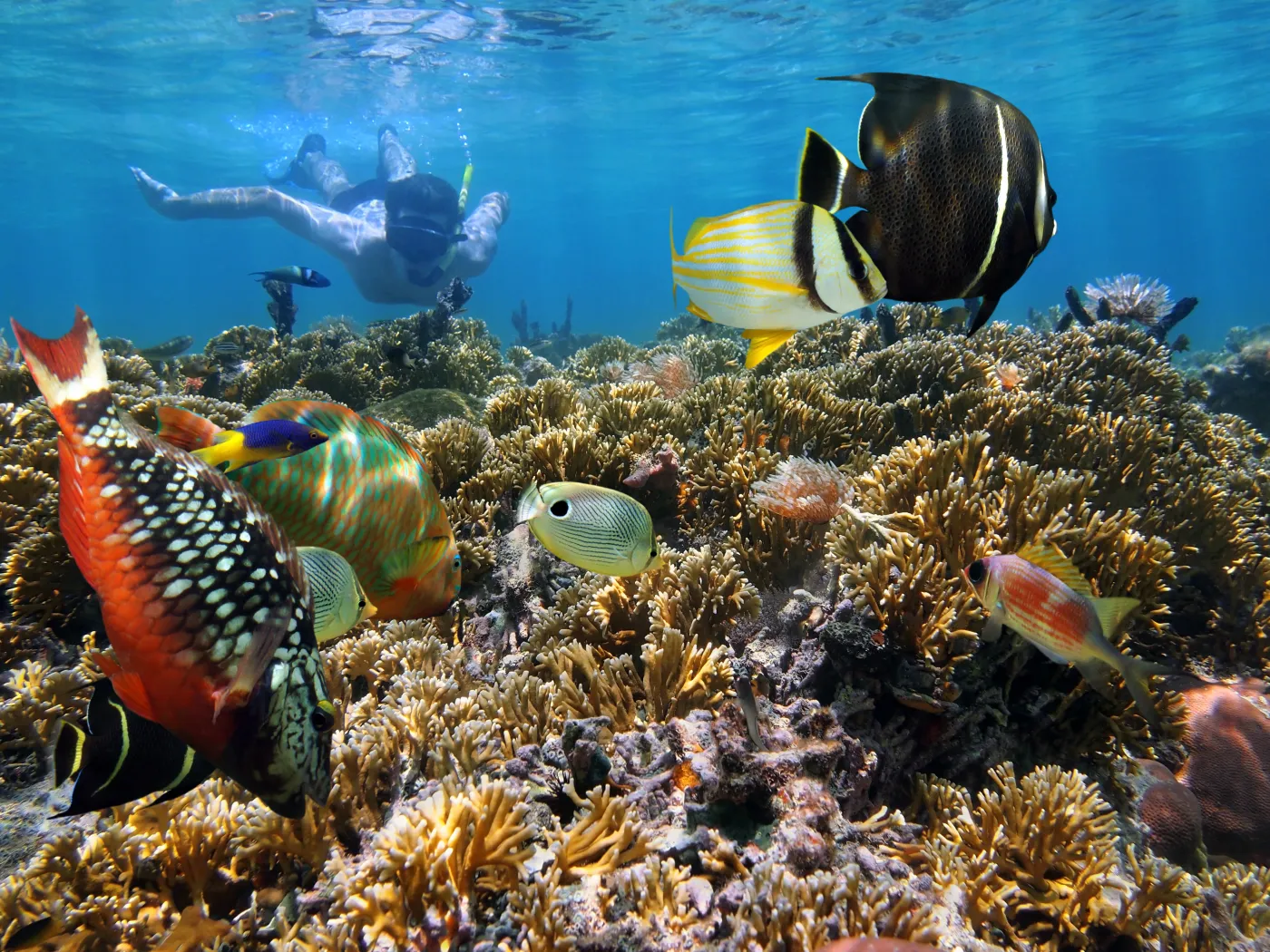
Hanauma Bay Nature Preserve
20 min drive from Honolulu
This protected marine life conservation district offers shallow, calm waters ideal for observing parrotfish and tangs in their natural habitat.

Oahu's reefs host hundreds of marine species, but manta rays are not among the island's predictable residents. Snorkelers hoping for a manta encounter need to understand which Hawaiian islands support stable populations and why Oahu sightings remain sporadic at best.
Quick answer
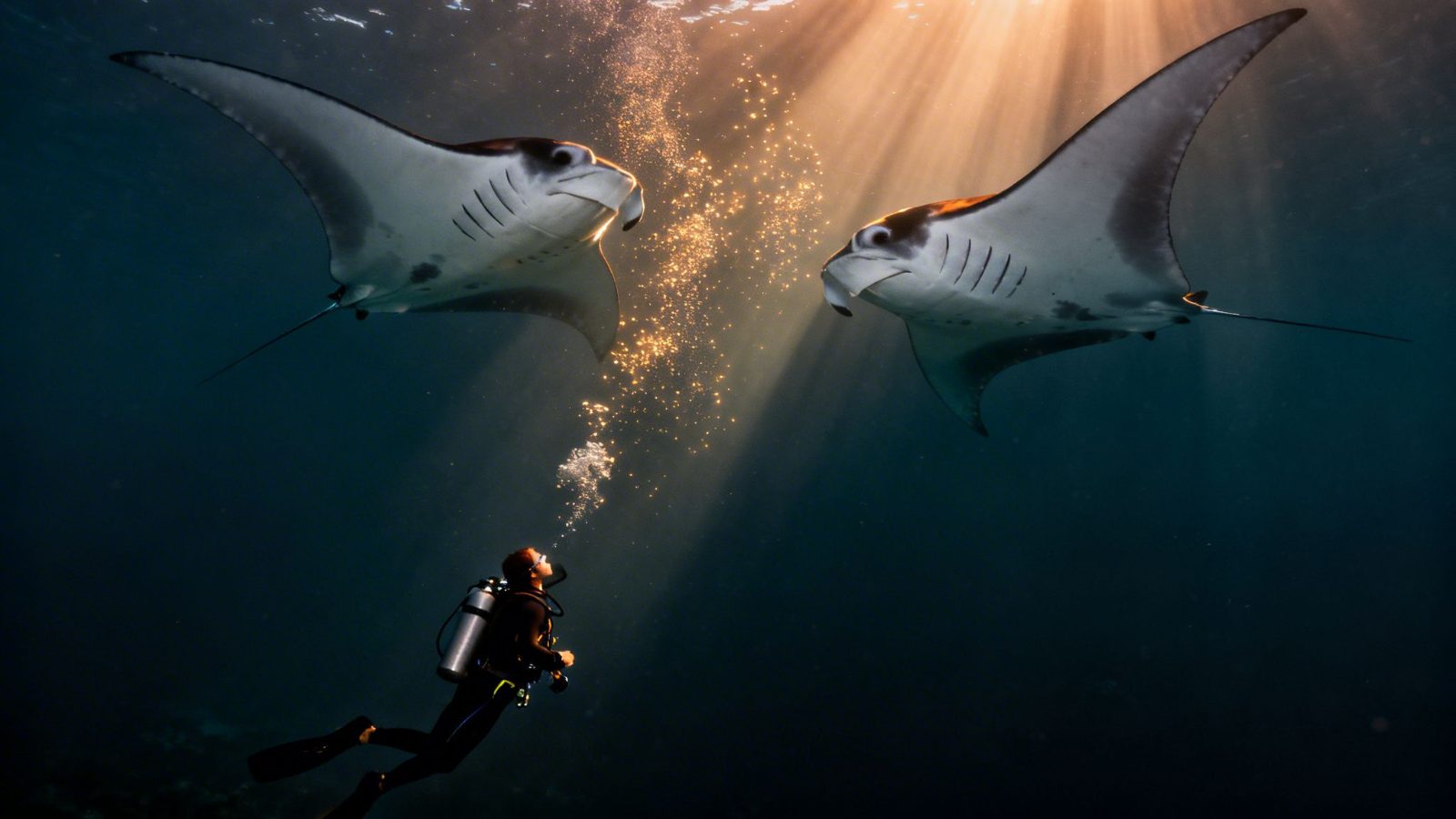
Manta rays are not reliably found in Oahu's coastal waters. While occasional sightings occur, the island has no established manta aggregation sites or predictable viewing locations. Hawaii's consistent manta encounters happen on the Big Island's Kona Coast, where plankton-rich currents and evening light arrays draw resident populations nightly. Maui hosts a smaller population near Molokini Crater, but Oahu lacks the oceanographic conditions that support stable manta habitats.
Reef manta rays in Hawaiian waters follow plankton blooms with precision, congregating where nutrient upwellings and current patterns create reliable feeding zones. Oahu's coastline does not generate these conditions consistently enough to sustain resident manta populations, leaving the island without designated viewing sites or managed snorkel programs. The Big Island's Kona Coast became Hawaii's manta capital because of a rare convergence: deep offshore trenches funnel plankton toward shore each evening, and shoreline resorts inadvertently amplified the effect by installing bright lights that attract zooplankton to the surface. Mantas learned to feed in these illuminated columns, creating the world's most predictable manta ray encounters. Oahu's shallower offshore topography and different current systems do not replicate this phenomenon. Occasional mantas pass through Oahu waters during seasonal migrations, but these movements are irregular and unpredictable. Snorkelers researching manta ray encounters in Oahu often discover they need to redirect their plans to the Big Island's Keauhou Bay or Garden Eel Cove, where nightly tours operate year-round with high success rates. Maui's Molokini Crater offers daytime manta sightings during certain months, though encounters are less guaranteed than Kona's evening programs. Understanding this geographic reality early in the planning process prevents disappointment and allows travelers to book the right island for their wildlife priorities. Oahu remains exceptional for reef snorkeling, sea turtle encounters at Laniakea Beach, and spinner dolphin sightings along the leeward coast. The island's marine life is diverse and accessible, but manta rays require the specific conditions found on neighboring islands.
“Hawaii's consistent manta encounters happen on the Big Island's Kona Coast, where plankton-rich currents and evening light arrays draw resident populations nightly.”
Manta rays are not reliably found in Oahu, and there is no consistent viewing location or specific season to encounter them. Because sightings are rare and opportunistic, there is no optimal time to plan a trip with the expectation of seeing these animals.
—
Manta rays do not frequent Oahu waters consistently. Sightings occur by chance rather than seasonal patterns.
—
Cooler water temperatures do not correlate with increased manta ray activity in this region.
—
Warmer waters do not influence the presence or arrival of manta rays near Oahu coastlines.
Verdict: There is no best time to visit as manta rays are not reliably found in Oahu.
Because manta ray snorkeling is synonymous with Hawaiian tourism, visitors often assume these experiences are available throughout the entire island chain. Misinformation frequently stems from failing to distinguish between the specific conditions on the Big Island and the marine realities of Oahu.
MythManta ray snorkeling is available throughout Hawaii
FactManta ray snorkeling is not reliably found in Oahu; there is no consistent viewing location.
MythYou can book a guaranteed manta ray encounter on Oahu
FactManta ray sightings in Oahu are wild and not a managed attraction.
MythManta rays migrate between all Hawaiian islands for tourism
FactManta rays are not reliably found in Oahu, as they congregate in specific habitats absent from Oahu's immediate waters.
While manta rays are not reliably found in Oahu waters, the island offers several protected marine environments where you can observe diverse tropical fish and sea turtles. These locations provide accessible alternatives for snorkelers seeking to experience Hawaii's underwater ecosystem.
20 min drive from Honolulu
This protected marine life conservation district offers shallow, calm waters ideal for observing parrotfish and tangs in their natural habitat.
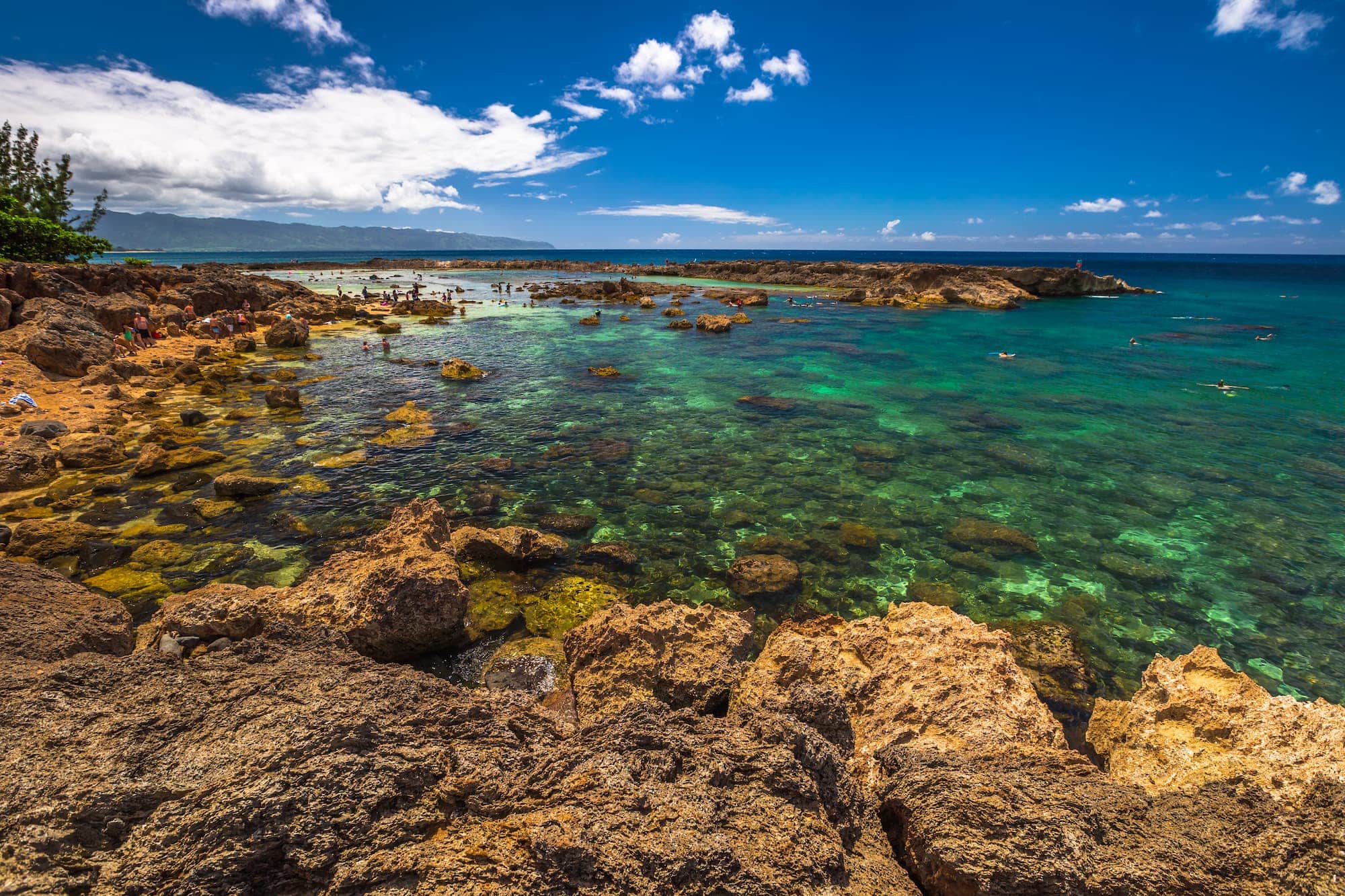
15 min drive from Haleiwa
Located on the North Shore, this rocky bay features clear water and varied topography that hosts a wide range of native Hawaiian reef fish.
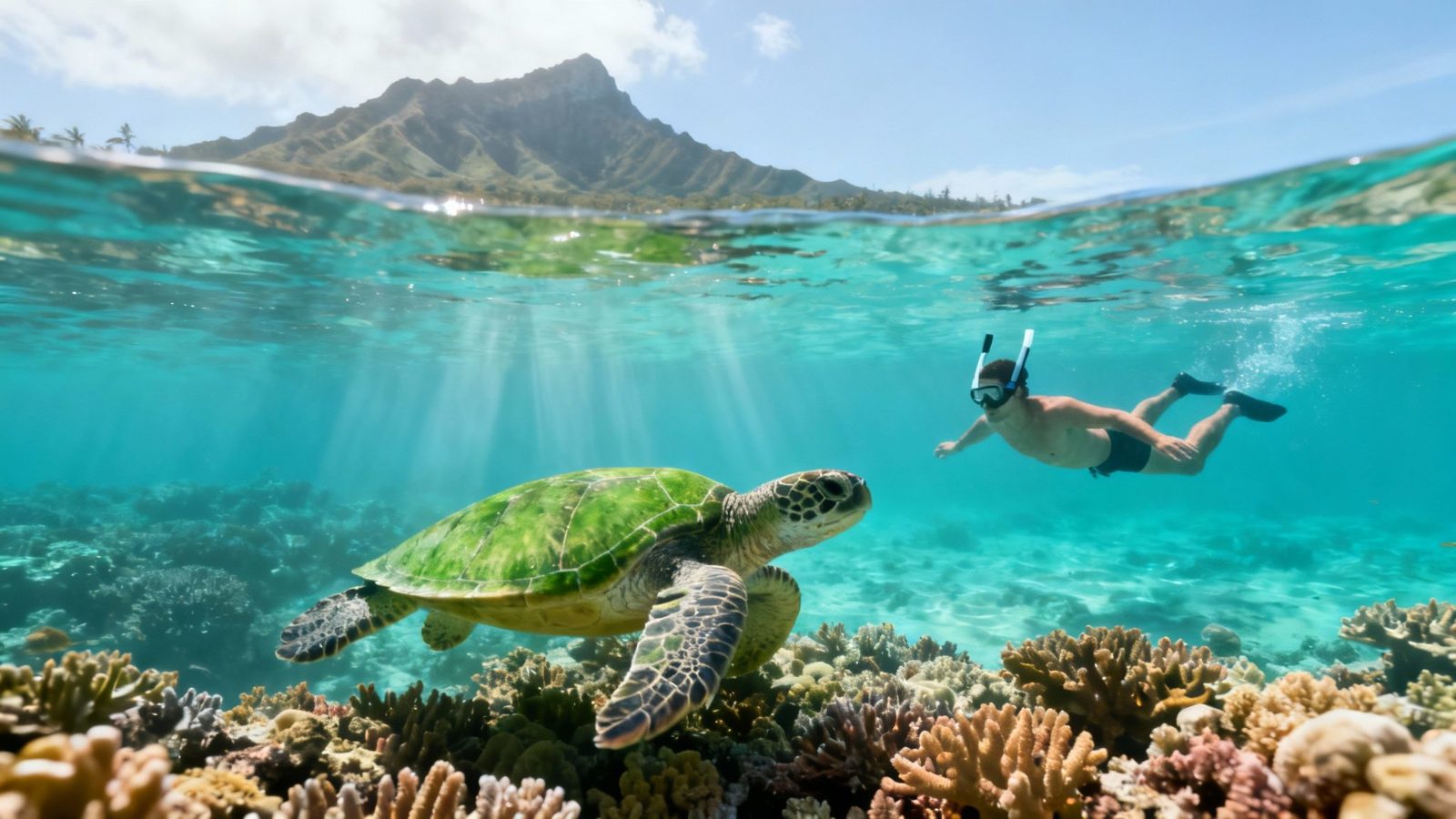
5 min drive from central Waikiki
Situated near the Natatorium, these reefs are easily accessible from the shore and serve as a home to schools of surgeonfish and occasional green sea turtles.
Everything you need to know about are there manta rays in oahu
Manta rays are not reliably found in Oahu, making organized snorkeling tours for these specific animals virtually non-existent on the island. While Hawaii is famous for marine life, other islands provide more consistent sightings.
Because manta rays are not reliably found in Oahu, there is no consistent viewing location for tourists. Visitors often find that tours focusing on these gentle giants are based on islands with established cleaning stations.
The best opportunities to view these animals typically occur on the Big Island, where managed night snorkeling excursions are popular. When asking are there manta rays in oahu, it is helpful to understand that their presence there is rare and unpredictable.
You cannot reliably see manta rays from the shore or via snorkeling in Oahu because they do not congregate there. Researching if are there manta rays in oahu usually leads to the conclusion that sightings are incidental rather than guaranteed.
There is no entrance fee to see these creatures as manta ray sightings on Oahu are wild and not a managed attraction. You will not find ticketed entry points for this activity on the island.
Snorkeling with these rays is not a common activity on Oahu due to the absence of resident populations. Most reputable marine operators direct guests to alternative islands for successful encounters.
Before planning your trip, consider that are there manta rays in oahu is a question with a negative answer regarding reliability. It is better to focus on other marine life experiences available across the diverse Hawaiian coastline.